Casual dining chains across the U.S. are still balancing value promotions against high food, labor and rent costs after a bruising stretch of inflation and bankruptcies. That broader pressure is why Red Lobster’s decision to bring back Endless Shrimp at $25, announced April 20, 2026, stands out far beyond one menu promotion.
1. The comeback is official, limited-time and priced higher than the version tied to losses
Red Lobster confirmed on April 20, 2026 that Endless Shrimp is back for a limited time at participating restaurants, marking a formal return for one of the chain’s best-known promotions. In the company’s announcement, CEO Damola Adamolekun said the brand was bringing it back “in a way that works for our business today,” a notable qualifier after the chain’s earlier problems with the offer.
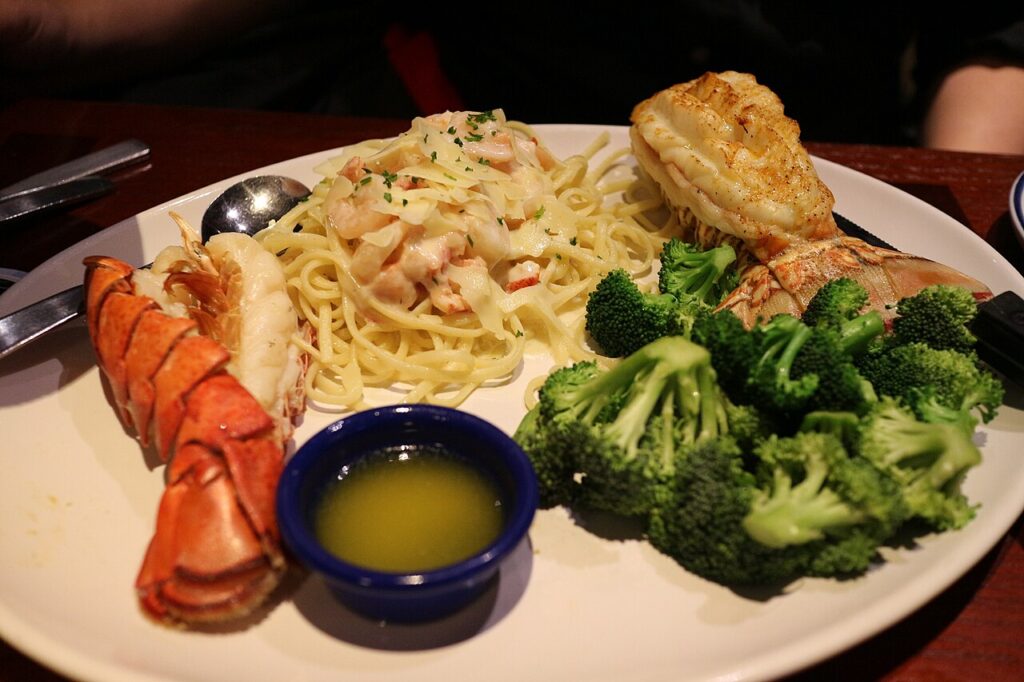
The new version includes five shrimp dishes, according to the company: Marry Me Shrimp, Shrimp Linguini Alfredo, Walt’s Favorite Shrimp, Garlic Shrimp Scampi and Parrot Isle Coconut Shrimp. The price point now sits at $25, up from the $20 version that became a financial flashpoint in 2023 and 2024, according to Reuters and prior reporting on the chain’s losses.
That difference in price matters because the promotion is no longer being framed simply as a traffic driver. Red Lobster is now positioning it as a controlled, time-limited event rather than an always-on value promise.
2. This is a national return, but Red Lobster has not released a full public list of every participating location
For diners, the practical impact is national but uneven. Red Lobster said Endless Shrimp is available for dine-in only at participating locations, which means availability depends on whether an individual restaurant is included in the promotion.
The company has not released a comprehensive public list in its April 20 announcement identifying every participating restaurant by city or state. That leaves some uncertainty at the local level, especially after the chain’s closure wave in 2024 reduced its footprint in more than 20 states, according to the Associated Press.
That slimmer footprint changes the local picture this time. Red Lobster’s jobs site now describes the company as operating more than 500 locations across the U.S. and Canada, but not every remaining store is necessarily part of the offer.
3. The context is bankruptcy, closures and a promotion that was blamed for real losses
The reason this comeback feels different is that Endless Shrimp is no longer just a nostalgia play. It returns after Red Lobster filed for Chapter 11 bankruptcy protection on May 20, 2024, with liabilities estimated between $1 billion and $10 billion, according to Axios’ summary of the bankruptcy filing.
Reuters reported that court documents tied the earlier endless-shrimp strategy to an $11 million loss and said the prior $20 offer had been made a permanent menu option in May 2023 despite internal pushback. Reuters also reported that some restaurants faced shrimp shortages and that Red Lobster cited poor management decisions, high inflation, unsustainable rent costs and increased competition.
The Associated Press separately reported that the chain had recently closed over 50 locations being liquidated through auction activity, part of a broader footprint reduction. In that context, bringing the promotion back at all signals a major shift in management’s confidence.
4. New ownership and new leadership are shaping how Red Lobster uses old hits
Red Lobster exited bankruptcy in September 2024 after court approval of its restructuring plan and the completion of its sale to RL Investor Holdings, according to company statements and Reuters. Damola Adamolekun was appointed CEO as the chain emerged from Chapter 11, putting a new leadership team in charge of deciding which legacy promotions were worth reviving.
That leadership change matters because the company is now presenting Endless Shrimp as a guest-requested return, not a blanket discount strategy. Red Lobster said the offer followed “thousands of social media mentions” asking for it to come back, and Adamolekun said the chain was responding to what guests wanted while keeping the business model in mind.
In other words, the promotion is being reintroduced under a restructuring-era discipline that did not define the earlier rollout. That makes this less a simple reboot than a test of whether the brand can use nostalgia without repeating the mistakes documented in bankruptcy court.